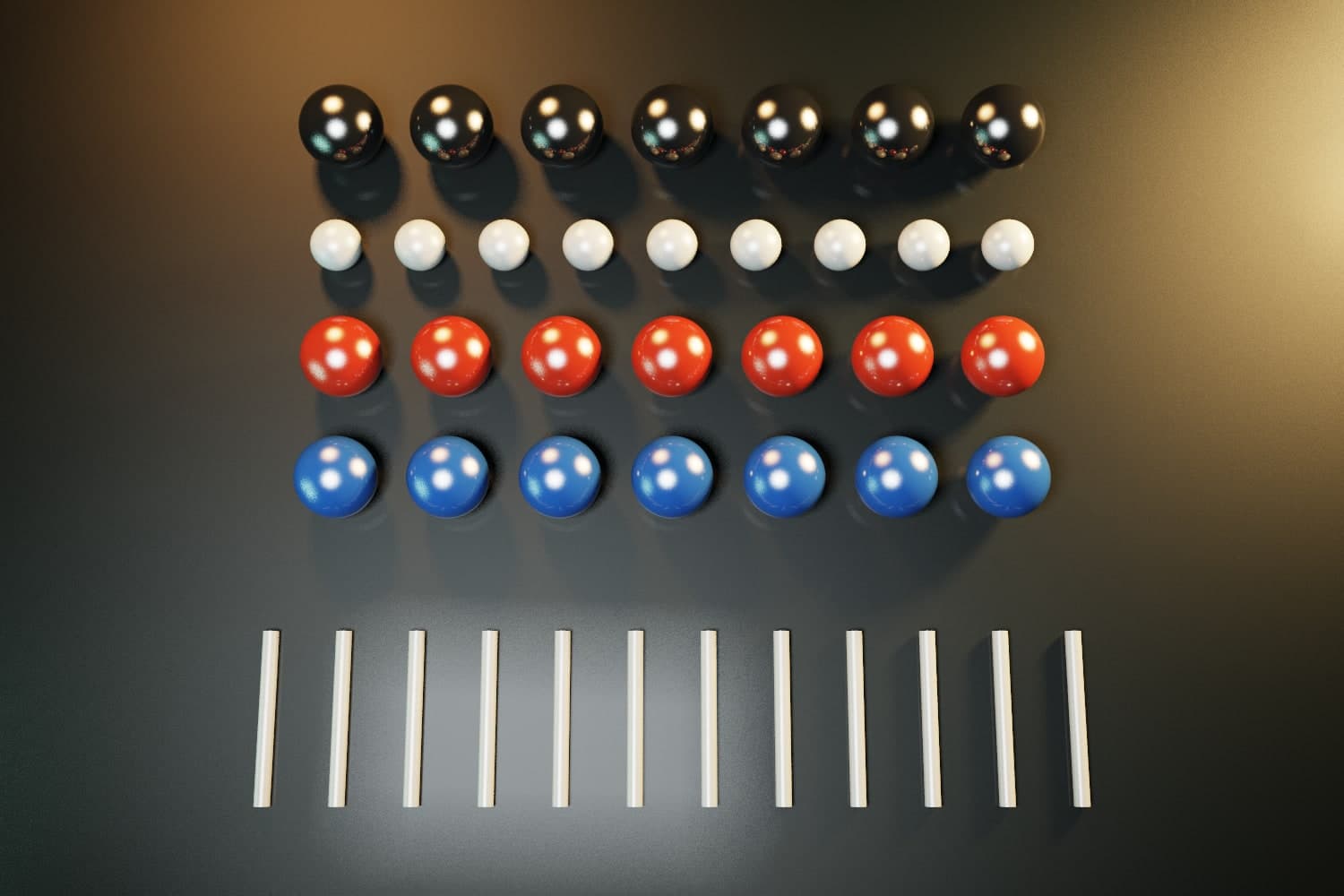
Built with a model kit first
Before a mechanism is drawn, it's built. Stereochemistry and conformations are checked on a real model kit, because a drawing can lie about what a molecule can do in space.

In November 2019, in a small flat in Lyon, a first-year student asked why the arrow goes to the carbon. Seven years and ten ebooks later, that question still shapes every page we publish.
I'm Camille Ferrand. I did a PhD in organic synthesis in Lyon, and to pay the rent I tutored first-year students preparing for medicine and pharmacy. Most of them worked harder than I ever did. They had colour-coded flashcards for every reaction in the course.
Then one evening a student called Léa looked at an SN2 on my whiteboard and asked: why does the arrow go there and not somewhere else? She had memorised the answer for 70 reactions without ever being told the reason. I realised my own lecturers never told me either. I had just seen enough of them to guess.
So I stopped teaching reactions and started teaching arrows: where electrons are, where they can go, and how to check the charges. By February, Léa was doing the synthesis questions first. I wrote it all down in an 18-page PDF and sent it to 30 students. That PDF became the Curly Arrow Primer.
Orgowise is still small. I write and draw every ebook, a second chemist checks every mechanism, and the question line is answered by the two of us. What makes it different is simple: nothing goes into an ebook until a stuck student can follow it.
Camille Ferrand, founder
The dates that changed how the ebooks are written, including the ones that went wrong.
Camille starts tutoring first-year PASS students in Lyon during her PhD, two evenings a week, with a marker and a whiteboard bought second-hand.
A student with 70 flashcards asks why the arrow in an SN2 goes to the carbon and not to the hydrogen. Camille realises nobody ever told her either.
The first PDF, the future Curly Arrow Primer, goes to 30 students by email. Twelve of them write back with mistakes. All twelve corrections go in.
The first draft runs to 340 pages and nobody finishes it. The published edition has 212, one double page per mechanism.
300 problems, rewritten after each exam season from what students say they were asked, and six mock exams with marking grids.
The Atlas gets its third edition, with every correction sent in by readers since 2022. The question line now answers students from Lille to Montpellier.
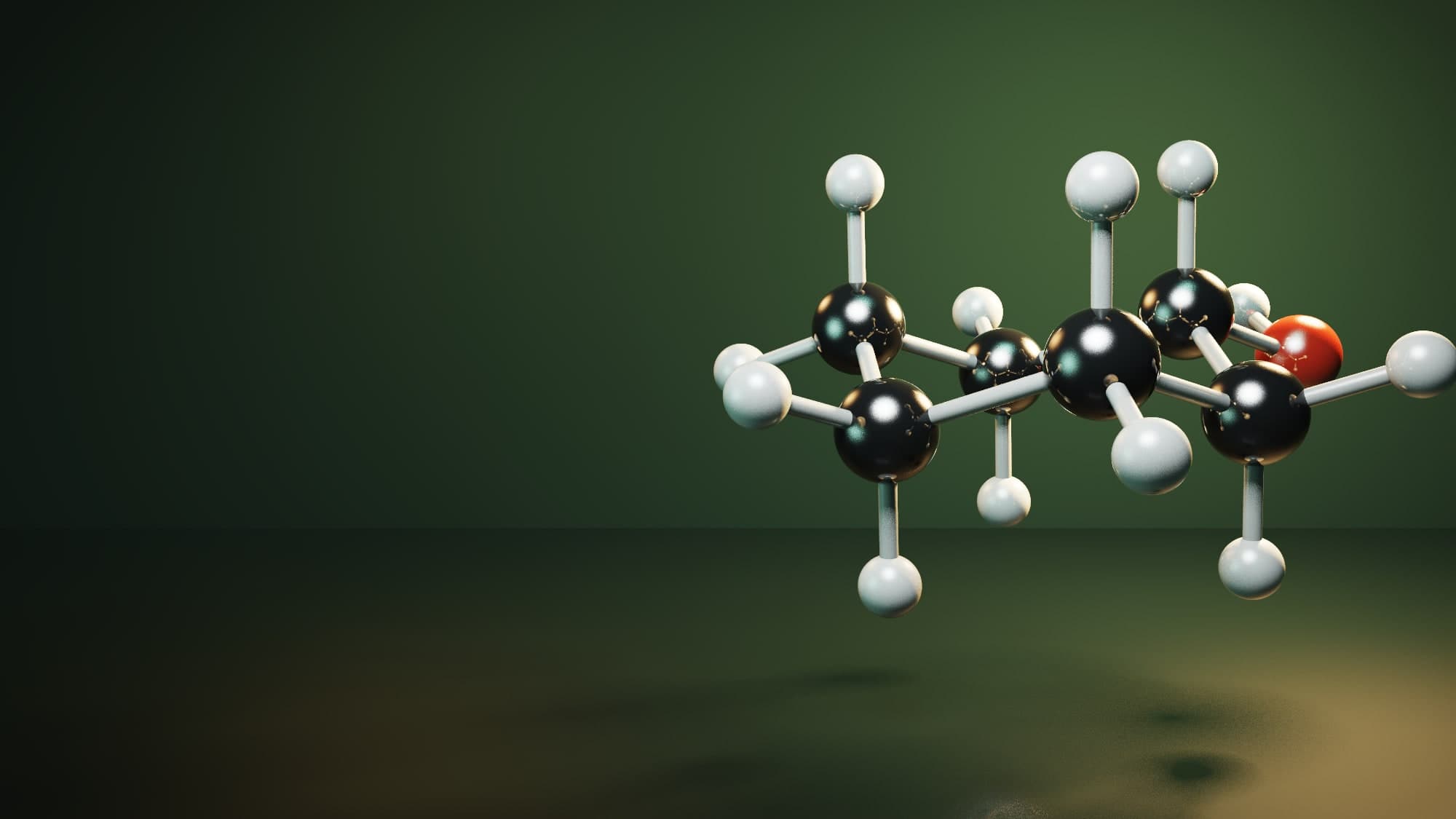
Before a mechanism is drawn, it's built. Stereochemistry and conformations are checked on a real model kit, because a drawing can lie about what a molecule can do in space.
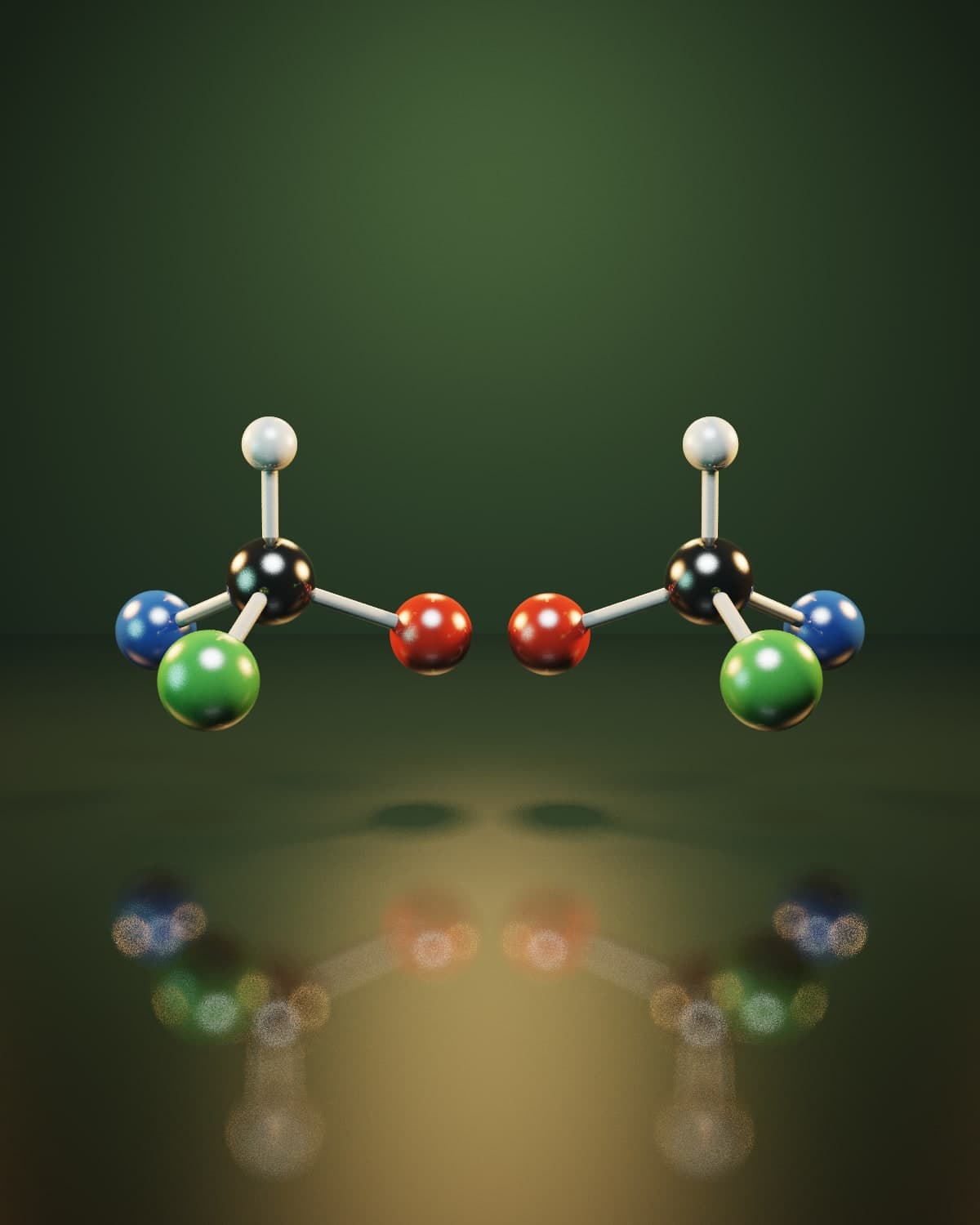
Each new chapter goes to a group of first-year students before publication. If two of them hesitate on the same arrow, the page is redrawn. That rule cost the Atlas 128 pages.
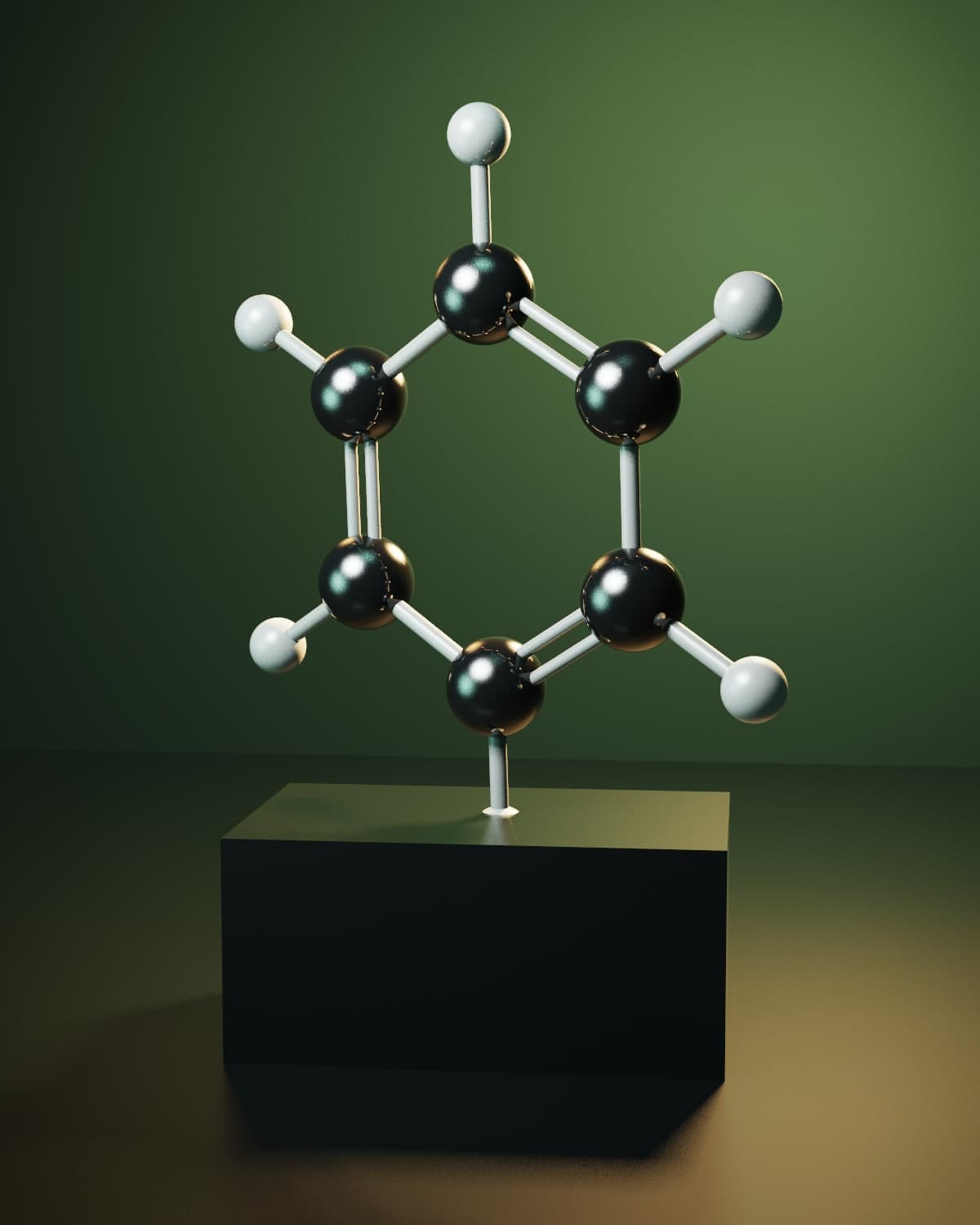
Syllabi change and readers find mistakes. Every July, the ebooks are revised and the new editions go out to everyone who bought them.
I sent a photo of a Grignard question at 11 pm on a Tuesday and had the full answer, arrows drawn, on Wednesday afternoon.
Start where Léa started, with the arrows.